
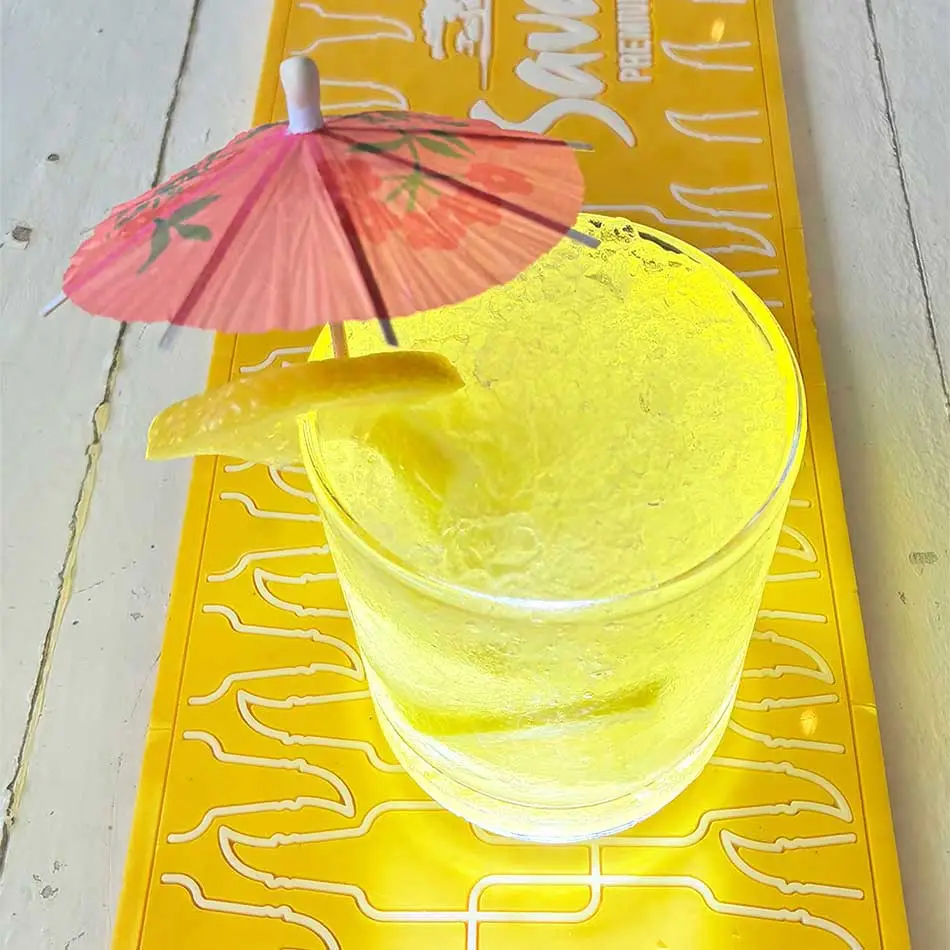
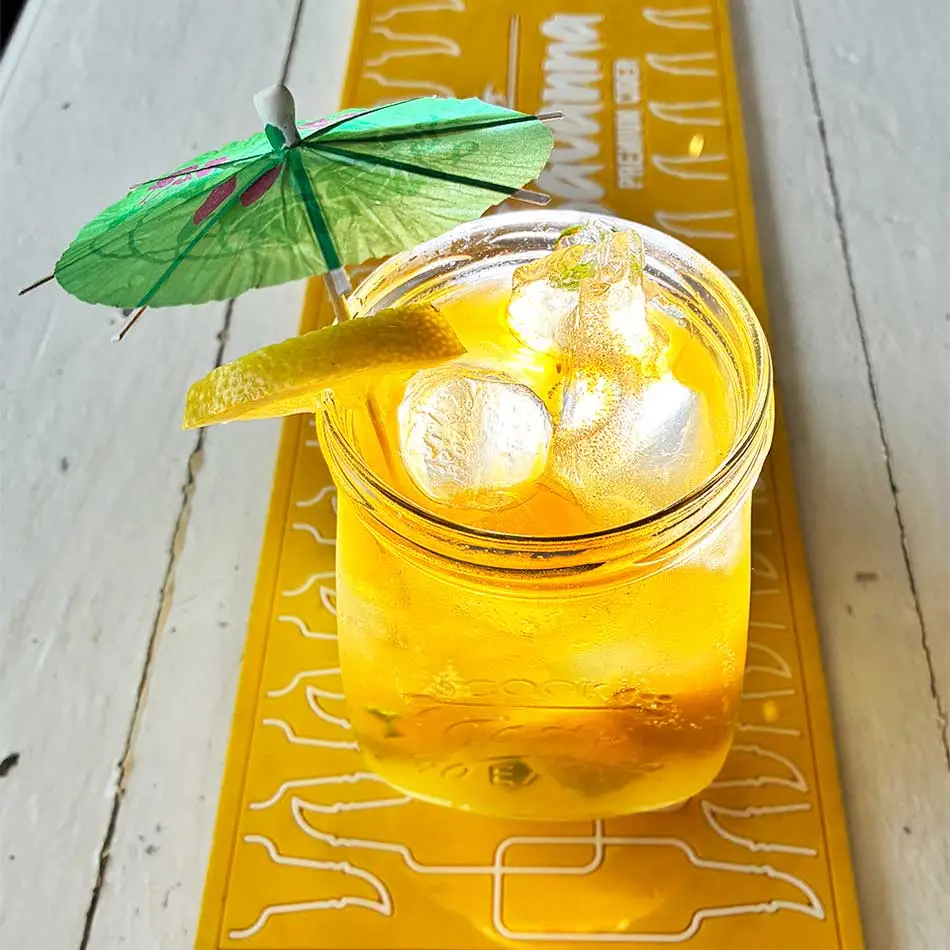
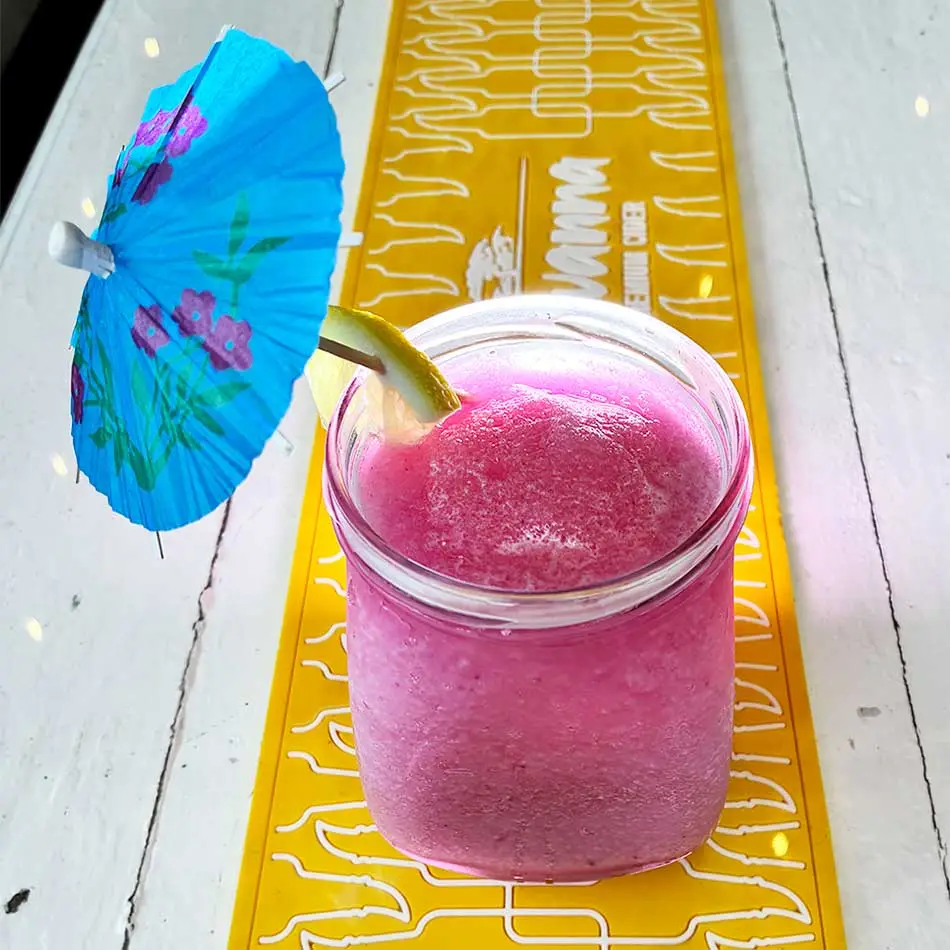
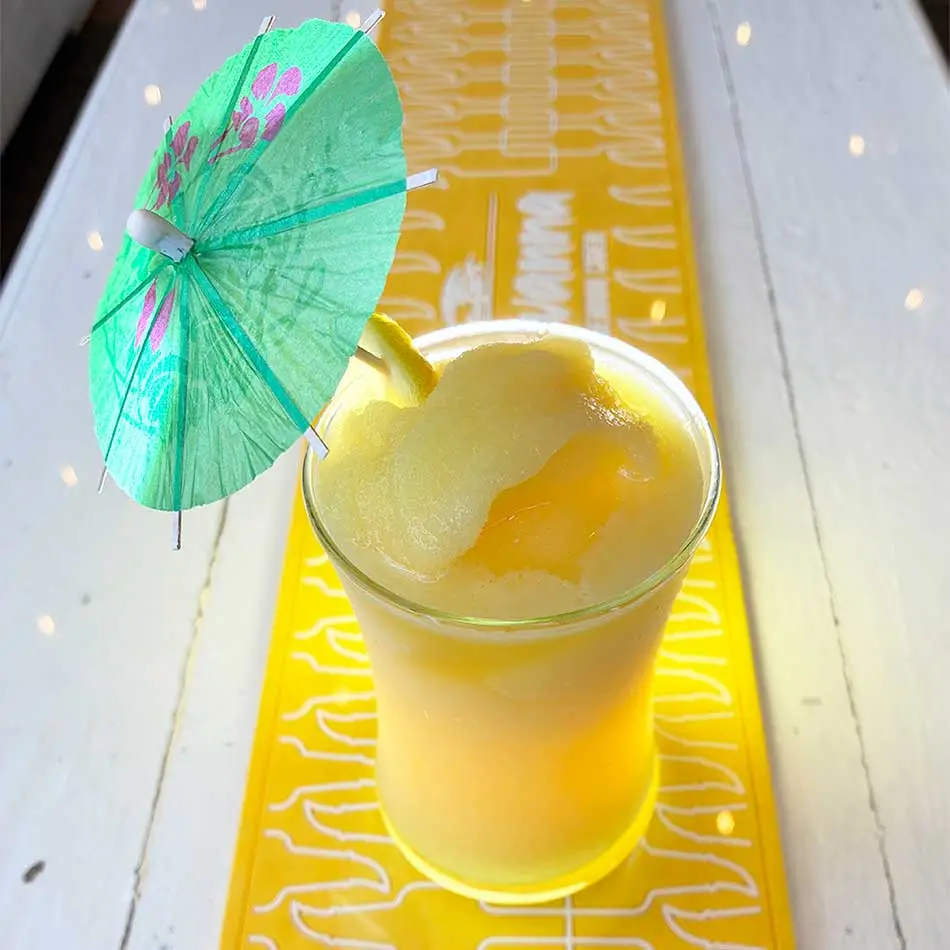
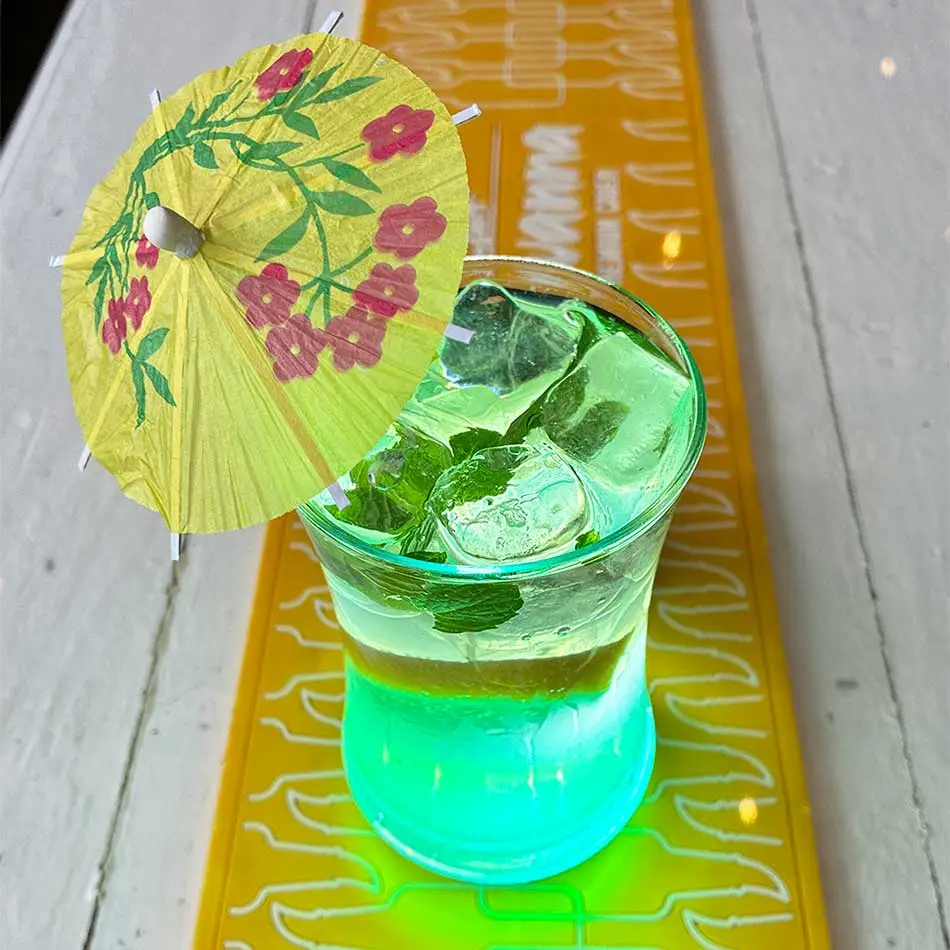
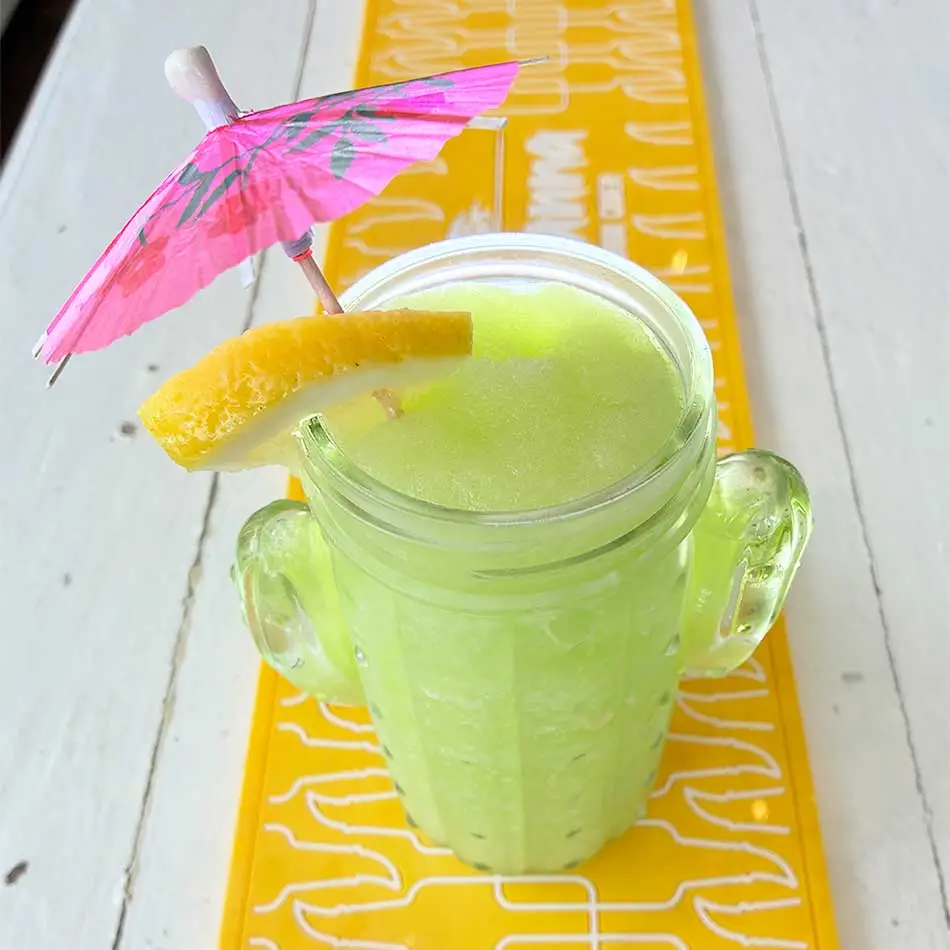
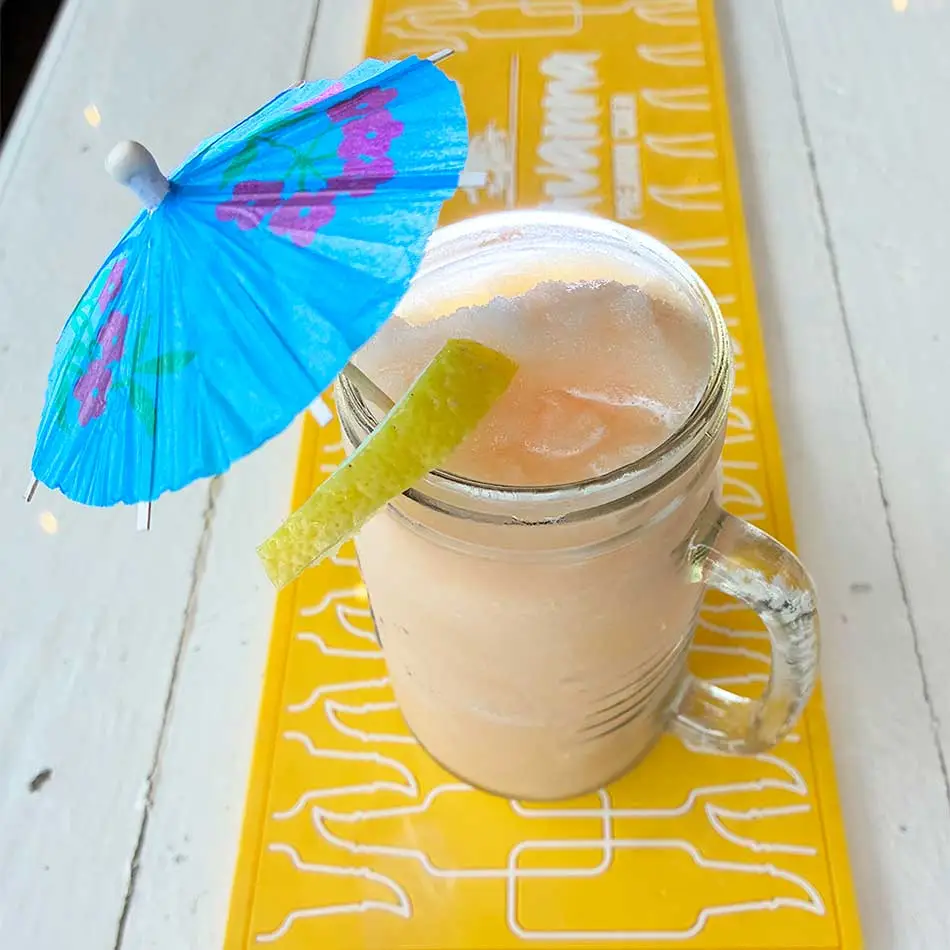
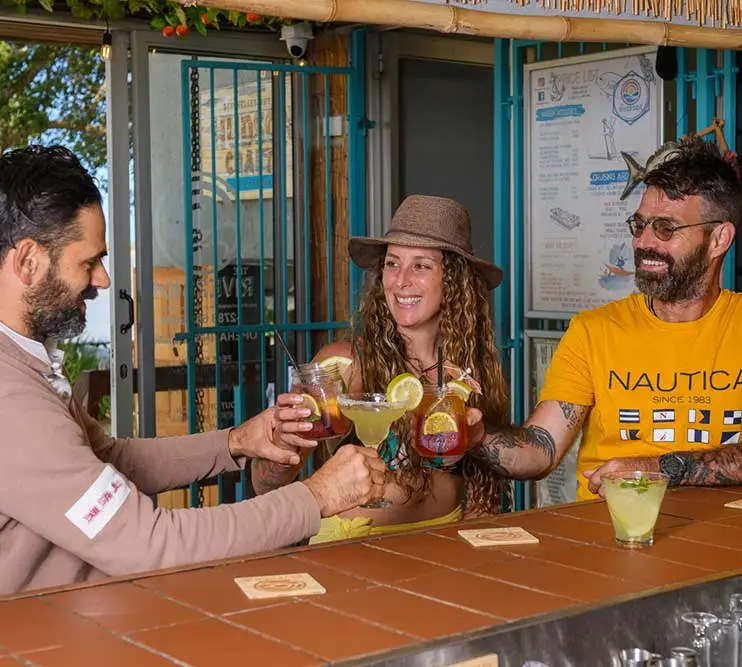
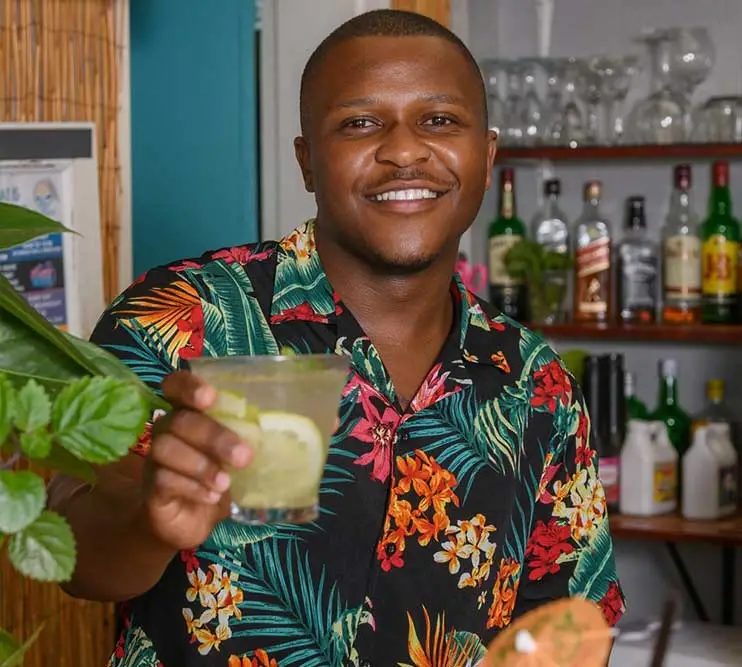
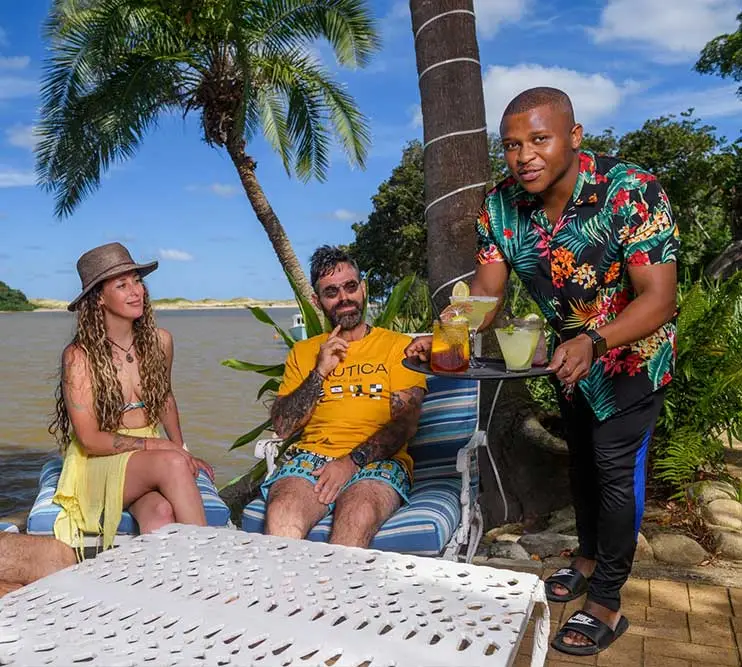
We have an amazing selcetion of hand crafted cocktails, G&T’s, Black Current & Basil, Blue Curacao, Peach & Apricot & Raspberry Teazer.
We have a selection of Beers, Ciders, Wines & Spirits as well. And if you think this list sounds interesting, wait until you have tried our selection of Shooters.
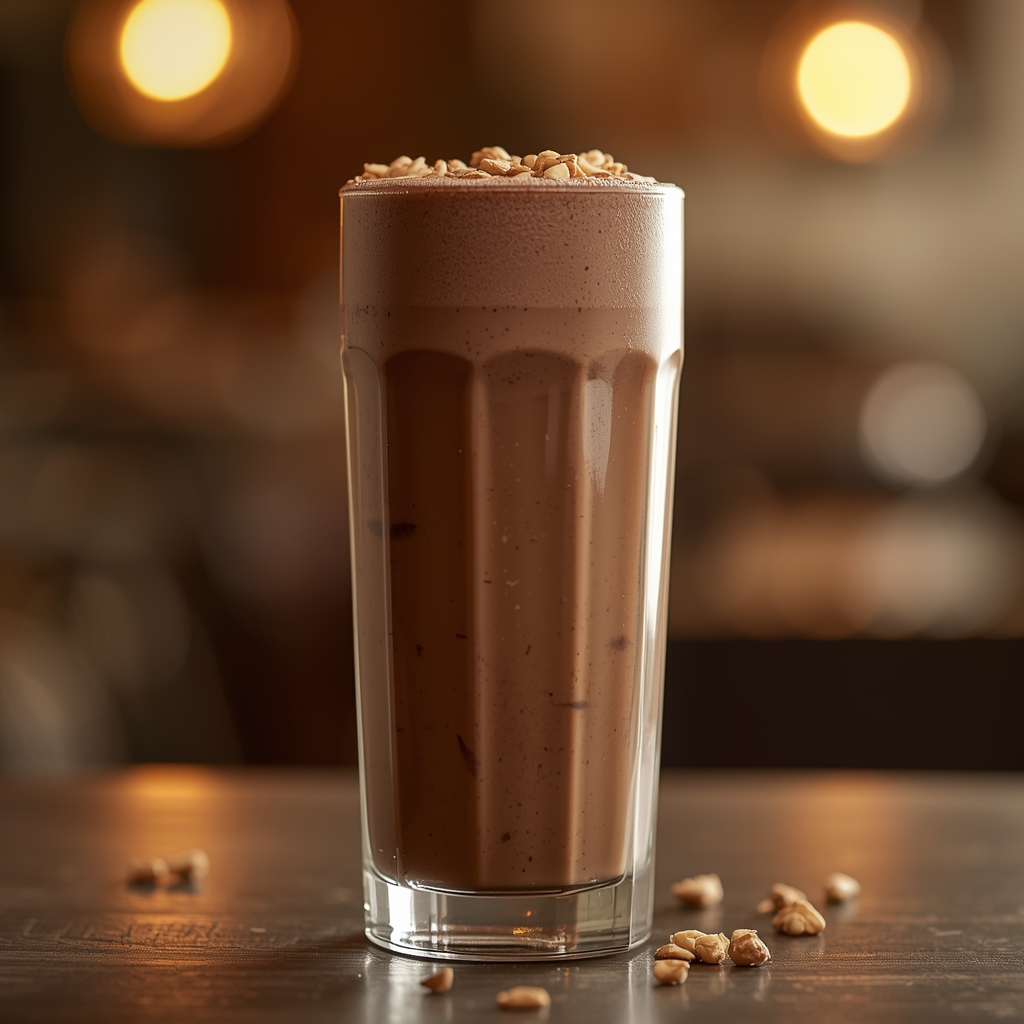
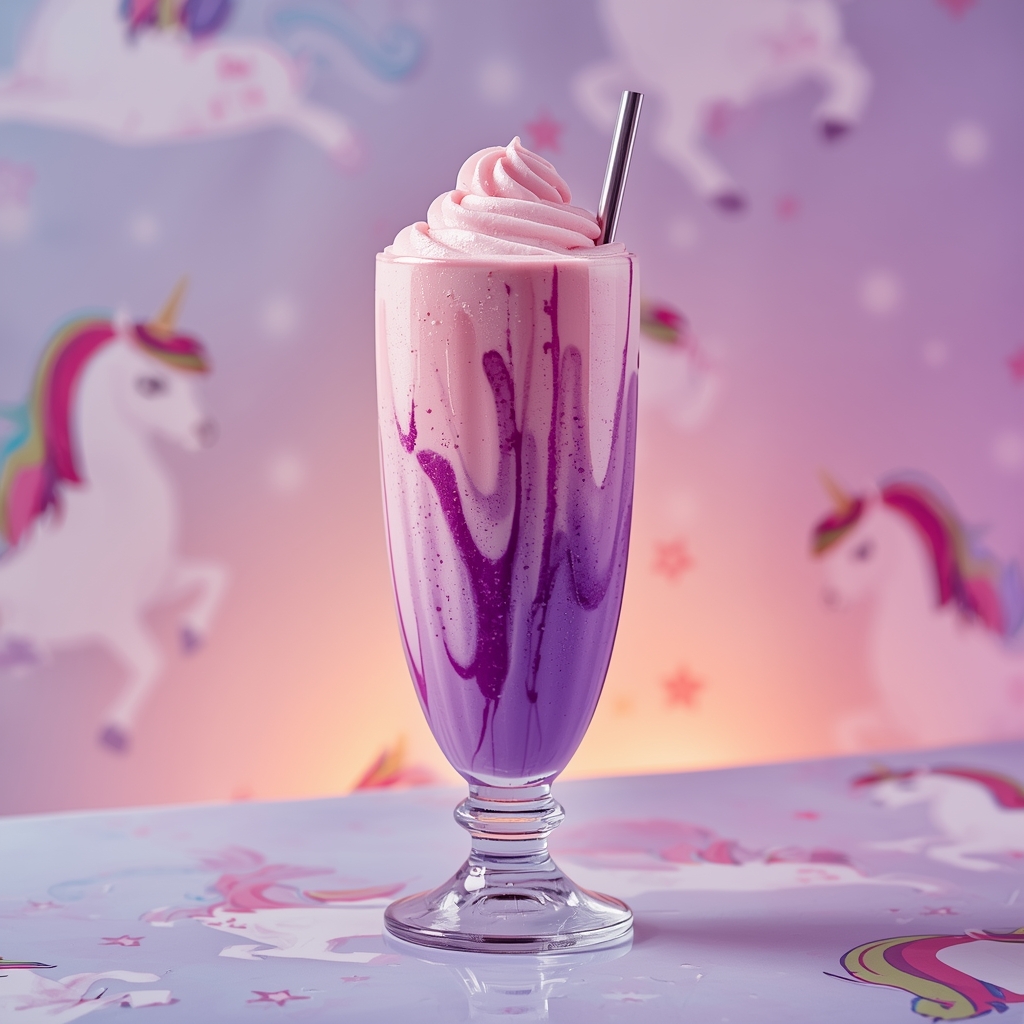
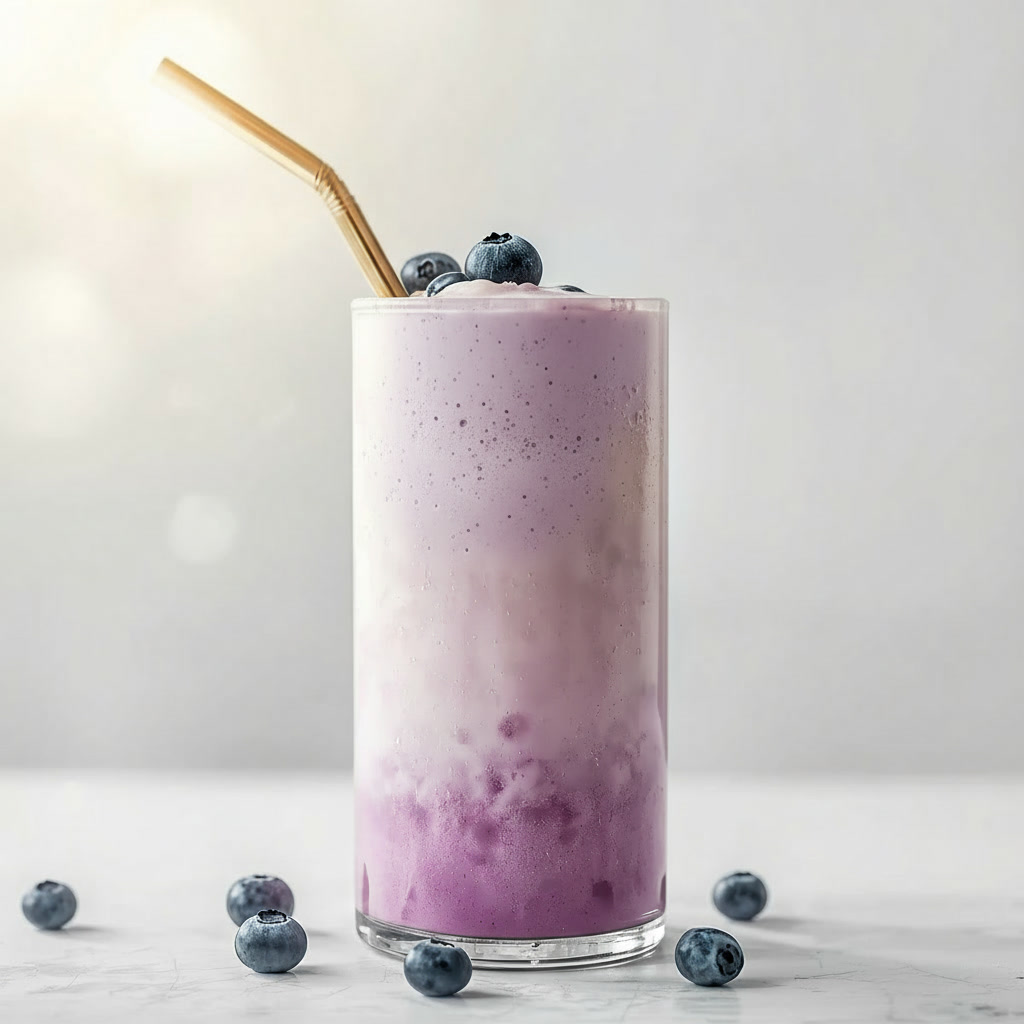
And of coarse Milkshakes for the little ones.
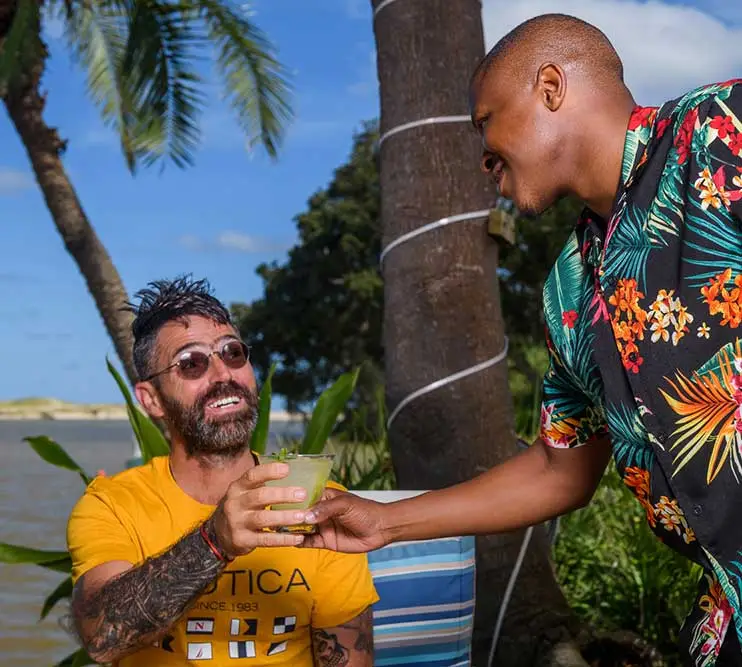
Come & enjoy a unique seleciton of our hand crafted Cocktails, work your way through the list and see what tickles your taste buds.
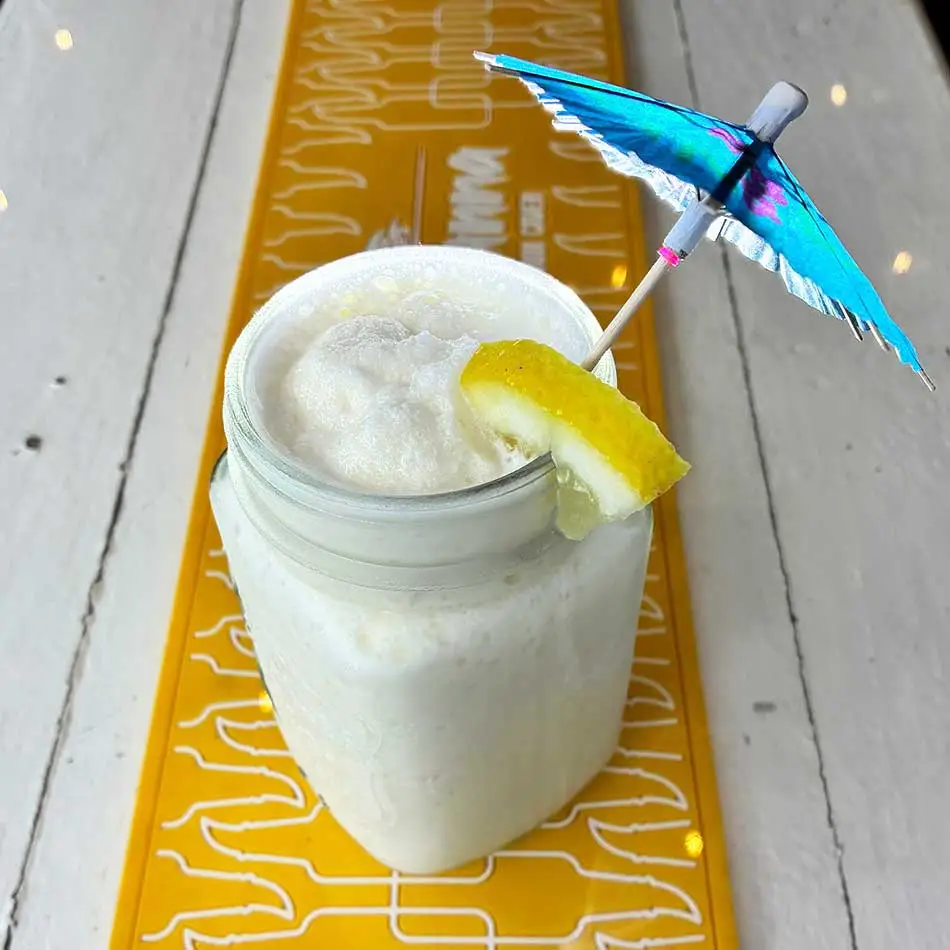
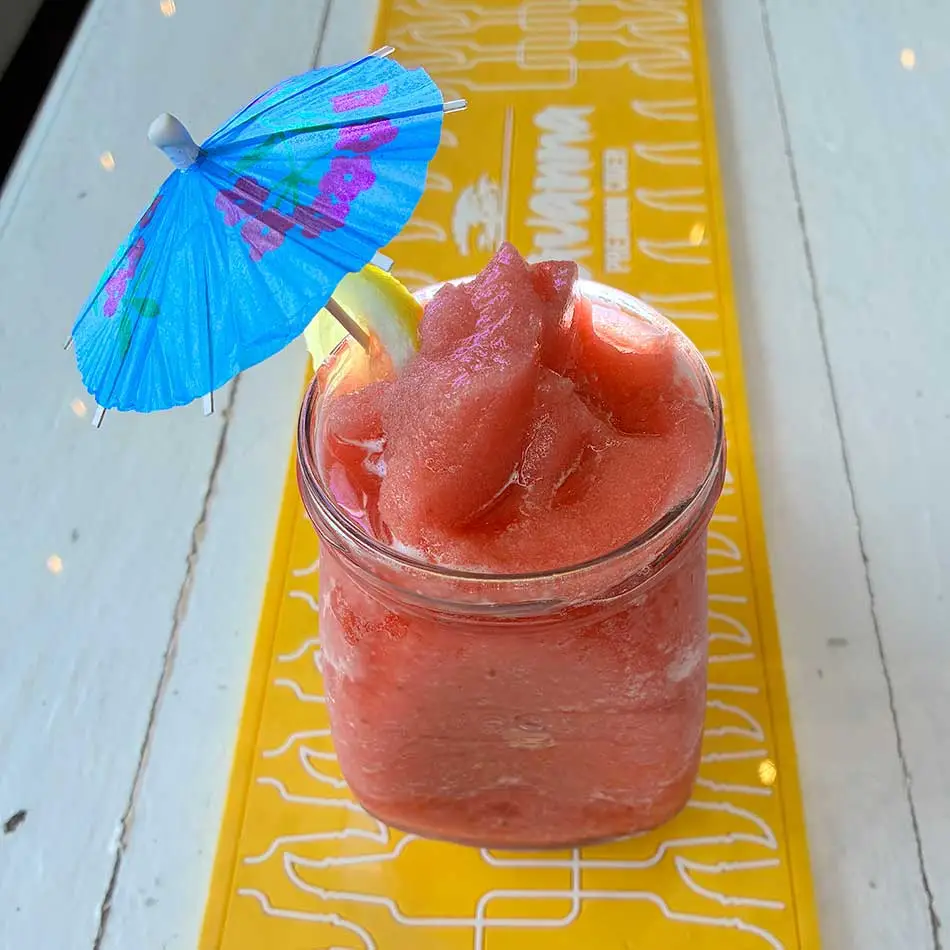
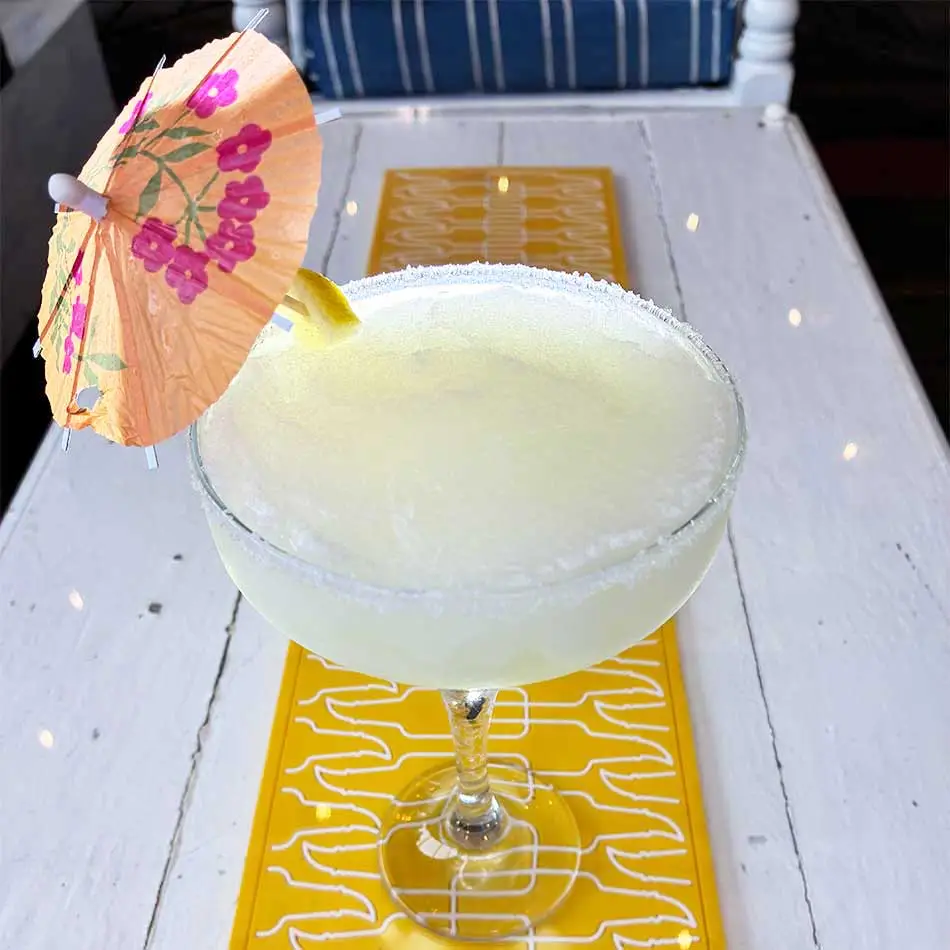
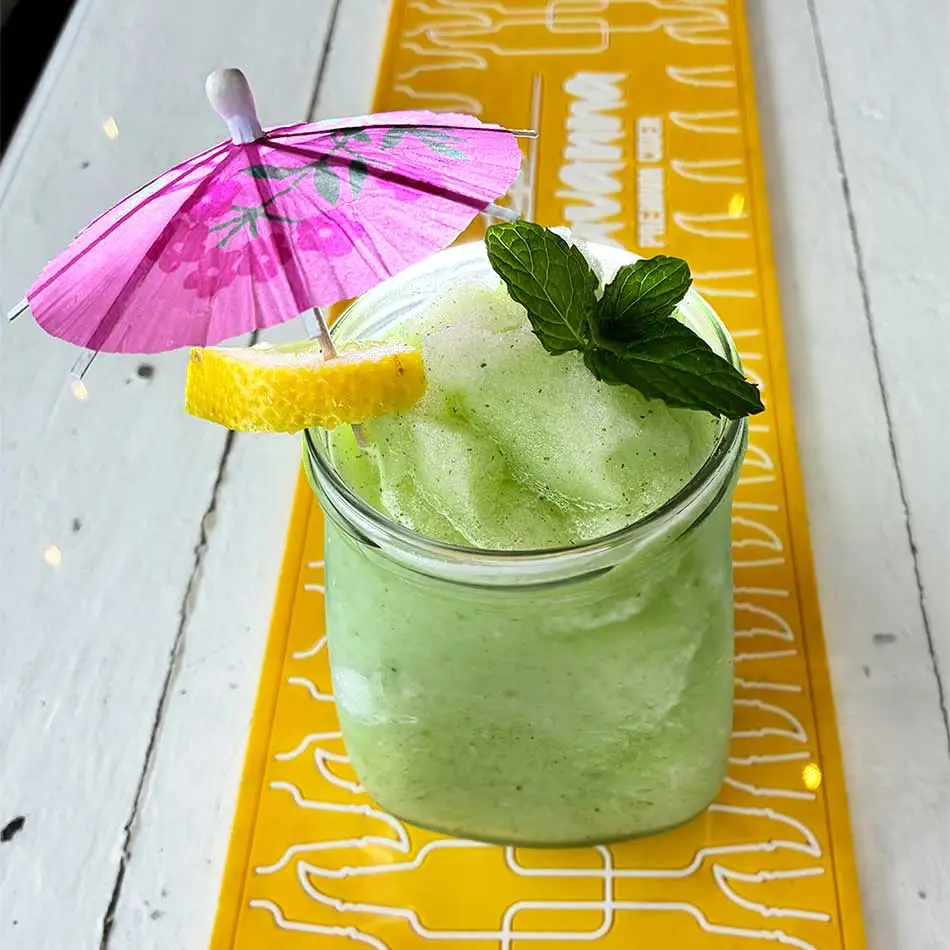
Our Cocktails range from the classics (with a twist), Pina Colada, Strawberry Daquiri, Mojito Classic or Frozen, Margaritha Shaken or Frozen & Long Island Ice Teas.

Orange, Mango & Orange & Breakfast Blend
Lemonade, Tonic / Pink Tonic, Dry Lemon, Soda & Ginger Ale
Lime, Passion Fruit, Cola Tonic

The Piña Colada, a tropical cocktail of rum, coconut cream, and pineapple juice, originated in Puerto Rico. The most credited story attributes its creation to Ramón “Monchito” Marrero at the Caribe Hilton in San Juan in 1954.
A rival claim from Barrachina Restaurant credits Ramón Portas Míngot in 1963. Named “strained pineapple” in Spanish, it became Puerto Rico’s official drink in 1978 and gained global fame, boosted by the 1979 song “Escape (The Piña Colada Song).” Coco López coconut cream, invented in 1948, standardized the recipe. Celebrated on National Piña Colada Day, July 10, it remains a tiki bar staple.
The Strawberry Daiquiri, a fruity variation of the classic Daiquiri, blends rum, lime juice, simple syrup, and fresh or frozen strawberries, often served frozen for a slushy texture. The original Daiquiri, a simple mix of rum, lime, and sugar, was created in the late 19th century in Cuba, credited to American engineer Jennings Cox in 1898 near Daiquirí Beach, Santiago de Cuba, during the Spanish-American War.
The strawberry version emerged in the mid-20th century, likely in the United States, as bartenders experimented with fruit-flavored cocktails to appeal to broader audiences. While no definitive inventor is documented, the drink gained traction in the 1950s and 1960s during the tiki bar craze, alongside other tropical cocktails like the Piña Colada.
The Margarita, a classic cocktail of tequila, lime juice, and orange liqueur (typically triple sec or Cointreau), served with a salt rim, has murky origins in 1930s–1940s Mexico. Several stories claim its creation:
The Blue Ocean Margarita is a vibrant, modern variation of the classic Margarita, distinguished by its striking turquoise hue reminiscent of tropical seas.
While the traditional Margarita traces its roots to Mexico in the 1930s—often credited to bartender Carlos “Danny” Herrera at Rancho La Gloria in Tijuana, who created it for actress Marjorie King allergic to spirits other than tequila—the “blue” iteration emerged later as a colorful twist.
The drink’s signature color and flavor come from blue curaçao, an orange-flavored liqueur invented in the 19th century by Dutch settlers on the Caribbean island of Curaçao.
The Mojito, a refreshing cocktail of rum, mint, lime juice, sugar, and soda water, originated in Cuba, with roots tracing back to the 16th century. Its earliest precursor is the “Draque” or “Drak,” a drink named after Sir Francis Drake, the English privateer. Around 1586, Drake’s crew in Havana mixed aguardiente (a crude rum), lime, mint, and sugar to combat scurvy and dysentery, creating a medicinal tonic.
The modern Mojito evolved in the 19th century as rum production improved in Cuba. By the 1920s, it became a staple in Havana’s vibrant bar scene, particularly at La Bodeguita del Medio, a bar claiming to popularize it in the 1930s. Bartenders refined the recipe, using white rum, fresh mint, and soda for effervescence, served over ice with a muddled mix of lime and sugar.
The Caipirinha, Brazil’s national cocktail, is a vibrant mix of cachaça (a sugarcane spirit), lime, sugar, and ice, muddled and served in a rocks glass. Its history traces back to early 20th-century Brazil, though its origins are debated.
The drink likely evolved from a medicinal tonic in the 19th century, when cachaça was mixed with lime, garlic, and honey to treat illnesses like the Spanish flu in São Paulo around 1918. Farmers and workers consumed similar concoctions, muddling local fruits with cachaça, a spirit distilled from fermented sugarcane juice since the 16th century in Portuguese-colonized Brazil.
The Moscow Mule, a cocktail of vodka, ginger beer, and lime juice served in a copper mug, originated in the United States in the 1940s. Its creation is tied to a marketing push for vodka, then an obscure spirit in America.
The most widely accepted story dates to 1941 at the Cock ‘n’ Bull bar in Hollywood, California. Bar owner Jack Morgan had an oversupply of ginger beer, while John Martin, a distributor for Smirnoff vodka, struggled to sell the unfamiliar spirit. Together with bartender Wes Price, they crafted a drink combining vodka, Morgan’s ginger beer, and lime juice, served over ice in a copper mug—a gimmick possibly inspired by a surplus of mugs from a local supplier. The copper mug became iconic, enhancing the drink’s appeal and keeping it cold.
The Raspberry & Dragon Fruit Daiquiri is a modern, exotic twist on the classic Daiquiri, blending rum, lime juice, simple syrup, fresh or frozen raspberries, and dragon fruit (pitahaya), typically served frozen for a vibrant pink-purple slushy texture. The original Daiquiri, invented in 1898 by American engineer Jennings Cox in Daiquirí, Cuba, during the Spanish-American War, was a simple mix of rum, lime, and sugar to combat the heat and local spirit’s bite.
Frozen fruit variations exploded in the 1970s–1980s with the rise of blenders and commercial machines, inspired by tiki culture and Prohibition-era tourists flocking to Havana bars like El Floridita (frequented by Ernest Hemingway). Strawberry daiquiris led the charge, but raspberries added tart berry notes in the 1980s–1990s, while dragon fruit—a Southeast Asian native popularized globally via imports in the 1990s—brought mild sweetness and vivid color in the 2000s craft cocktail boom.
The Mango Daiquiri, a tropical variation of the classic Daiquiri, combines rum, lime juice, simple syrup, and fresh or frozen mango, often served blended for a smooth, fruity texture. The original Daiquiri, created in 1898 by American engineer Jennings Cox in Daiquirí, Cuba, mixed rum, lime, and sugar to make the local spirit more palatable.
The Mango Daiquiri emerged in the mid-20th century, likely in the Caribbean or United States, as bartenders experimented with tropical fruits during the tiki bar craze of the 1950s–1960s. Mango, abundant in tropical regions and increasingly available globally by the 1970s, added a sweet, vibrant flavor to the Daiquiri. The invention of the frozen cocktail machine in 1971 by Mariano Martinez in Dallas popularized slushy versions, boosting fruit-based Daiquiris like mango in resorts and beachside bars.
The Electric Ocean Limeade is a modern, vibrant cocktail variation, blending limeade’s tart sweetness with blue curaçao for an “electric” turquoise hue evoking ocean waves. Limeade itself dates to ancient Egypt (c. 1000 BCE) as a simple mix of lime juice, sugar, and water, evolving into a popular non-alcoholic beverage in the 19th century, with early U.S. recipes in 1824 cookbooks.
The cocktail twist emerged in the late 20th century amid tiki and frozen drink trends, inspired by the Electric Lemonade (vodka, blue curaçao, sour mix, and lemon-lime soda), popularized in the 1980s–1990s in resorts for its photogenic color. No single inventor is credited, but the “Ocean” branding likely arose in the 2000s–2010s craft cocktail scene, adapting the formula with fresh lime juice, simple syrup, vodka or rum, and blue curaçao, often served frozen or over ice. It gained traction on social media for themed parties, echoing the frozen machine boom of the 1970s.
The Peach & Elderflower Daiquiri is a contemporary twist on the classic Daiquiri, blending rum, lime juice, simple syrup, fresh or frozen peaches, and elderflower liqueur for a floral, fruity cocktail, often served frozen or shaken over ice. The original Daiquiri, created in 1898 by Jennings Cox in Daiquirí, Cuba, combined rum, lime, and sugar for a refreshing drink.
The Peach & Elderflower variant emerged in the 2000s during the craft cocktail renaissance, when bartenders experimented with fruit and floral liqueurs. Peaches, popular in cocktails since the 1980s Peach Bellini, added sweet, juicy notes, while elderflower liqueur, notably St-Germain (launched 2007), brought a delicate, floral complexity. No specific inventor is documented, but the combination likely originated in upscale U.S. or European bars, capitalizing on the growing popularity of elderflower in drinks like the Hugo Spritz. The frozen Daiquiri trend, spurred by Mariano Martinez’s 1971 cocktail machine, also influenced its slushy style.
The Peachy Peach Ginger (or Peach Ginger Smash), a summery cocktail blending bourbon or whiskey, fresh muddled peaches, ginger beer, and often lemon or lime, emerged in the late 20th century as a fruit-forward riff on the classic Smash. The Smash family traces to the 19th-century, evolving from the Whiskey Smash, a muddled mint-and-lemon highball with whiskey, popularized in the 2000s craft revival for seasonal fruits.
Peach variants gained traction in the 2010s, leveraging ripe summer peaches for juicy sweetness against ginger’s spicy fizz, as seen in early recipes like the Bourbon Peach Smash. No single inventor is credited, but it became a staple in bar mixology amid the low-alcohol, refreshing trend, often batched for parties.
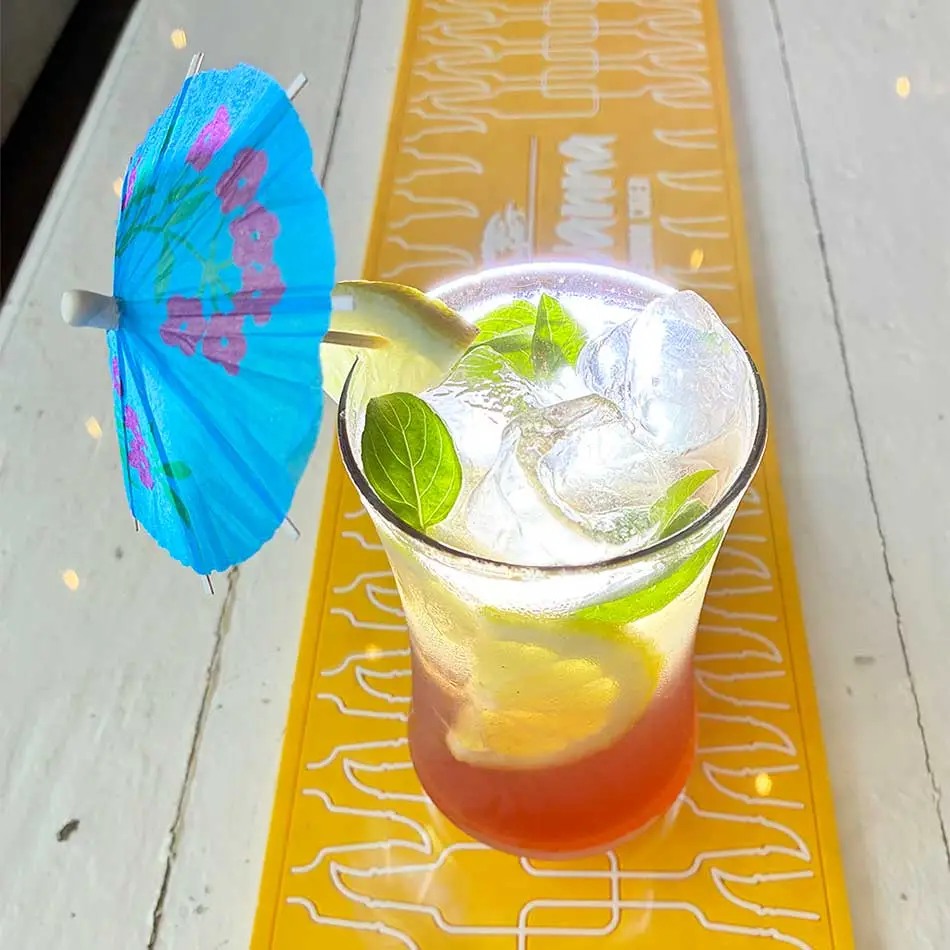
The Strawberry, Orange, Basil Mule is a modern twist on the classic Moscow Mule, blending vodka, ginger beer, lime juice, fresh strawberries, orange juice or liqueur, and basil for a fruity, herbal variation, typically served in a copper mug. The original Moscow Mule, created in 1941 at the Cock ‘n’ Bull bar in Hollywood, California, by bartender Wes Price and Smirnoff distributor John Martin, combined vodka, ginger beer, and lime to market vodka.
This flavored variant emerged in the 2000s–2010s during the craft cocktail boom, when bartenders experimented with fresh fruits and herbs to elevate classic recipes. Strawberries added sweet-tart depth, orange juice or liqueur (like Cointreau) brought citrus brightness, and basil contributed a trendy herbal note, popular in mixology since the early 2000s for its aromatic complexity. No specific inventor is documented, but the drink likely originated in upscale European bars, riding the wave of seasonal, Instagram-friendly cocktails.
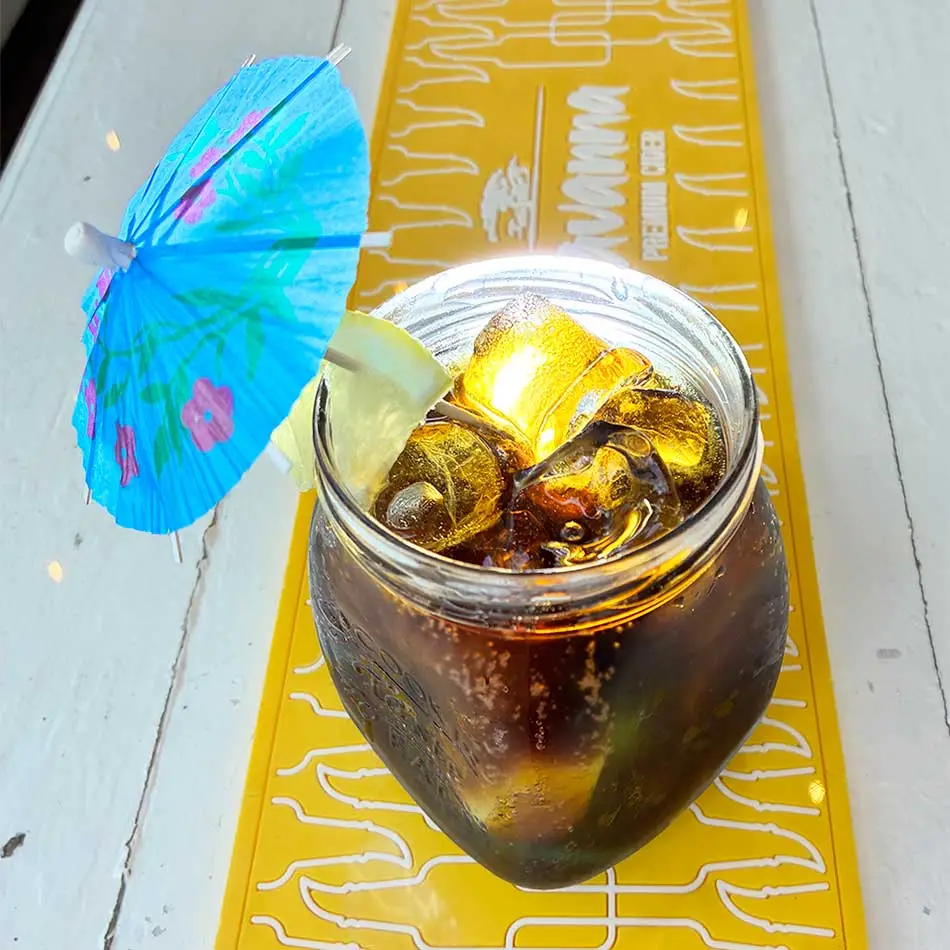
The Long Island Iced Tea, a potent cocktail blending vodka, gin, rum, tequila, triple sec, sour mix, and cola, served over ice with a lemon wedge, originated in the United States in the 1970s. Despite its name, it contains no tea but mimics iced tea’s appearance due to the cola.
The most widely accepted origin story credits bartender Robert “Rosebud” Butt, who created it in 1972 at the Oak Beach Inn in Long Island, New York. Butt, competing in a contest to craft a new drink using triple sec, mixed multiple spirits with sour mix and a splash of cola for color, creating a deceptively strong (20–25% ABV) yet smooth cocktail. The drink’s popularity spread rapidly through Long Island’s bar scene and beyond, fueled by its approachable taste and high alcohol content.